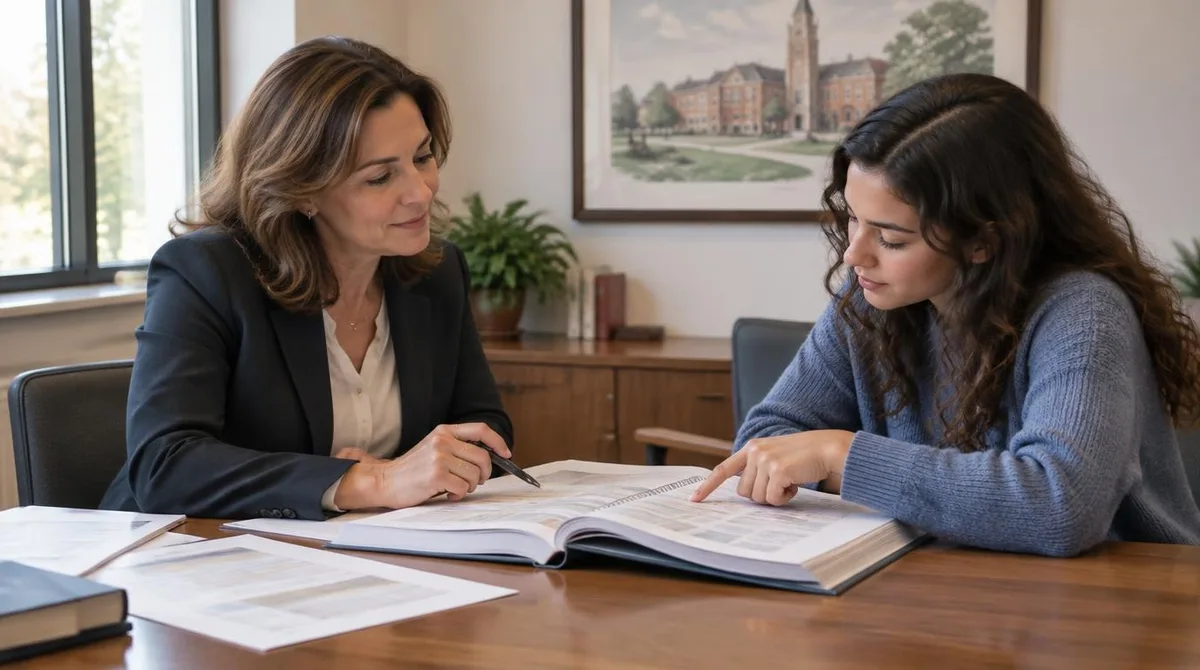
Special Education Funding: Who Pays for Special Education and Why Federal Funding Falls Short
Federal IDEA grants, state formulas, and local money share the cost of special education, and the federal share has never reached its 40 percent goal.

Federal IDEA grants, state formulas, and local money share the cost of special education, and the federal share has never reached its 40 percent goal.

Most local and niche scholarships draw far fewer applicants than famous national awards, so an organized search faces much better odds.

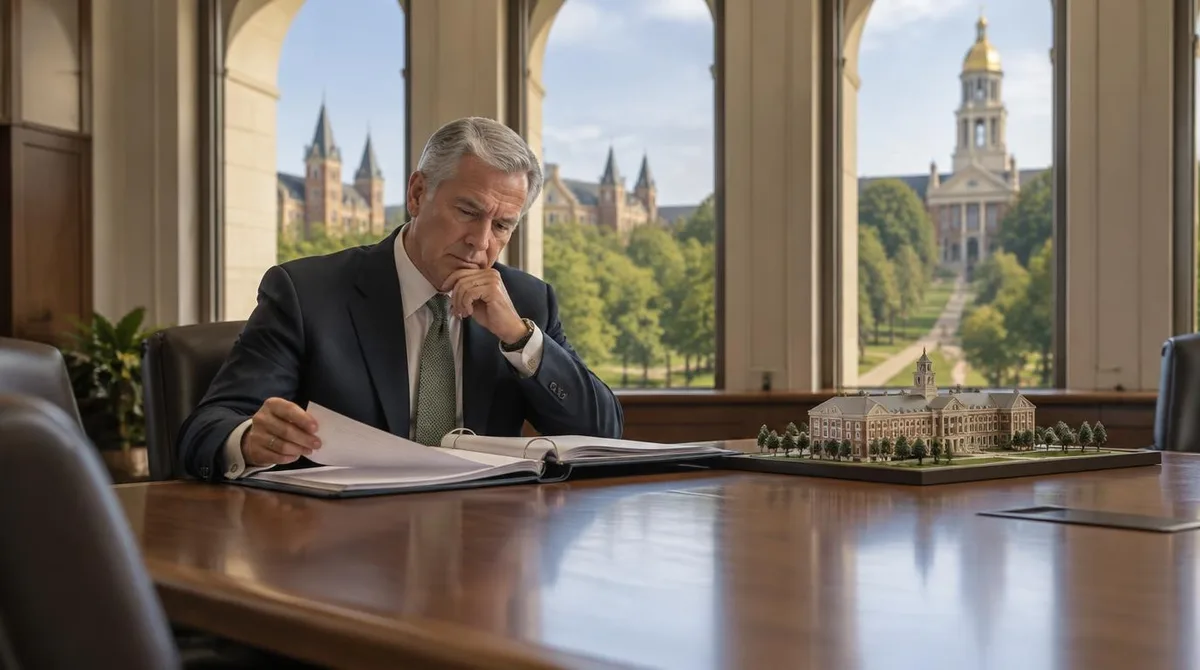
The enrollment cliff, tuition pressure and AI are reshaping private universities. Baylor's fall regents meeting shows how one institution is responding — and what signals families should watch anywhere.

A residency pairs a year of paid classroom work with mentorship and coursework, but the details vary widely by program and state.

A three-field test framework turns career indecision into small, fast real-world experiments backed by Bureau of Labor Statistics occupational data.

You can choose a college major with evidence instead of a hunch by sampling real coursework, interviewing graduates, and reading federal data on degrees and occupations.

Vendor dashboards often report growth. District leaders need a way to tell whether the software caused it.

A local TV spot on hunter safety courses is a small example of a bigger pattern: state agencies teaching outside the classroom.

Credentials open some doors in education technology, but the field hires for many roles a diploma never covers.

Psychology careers run through graduate degrees and state licenses: PhD and PsyD tracks feed clinical work, schools form the second-largest employer group, and May 2024 median pay spanned $86,930 to $109,840 by specialty.